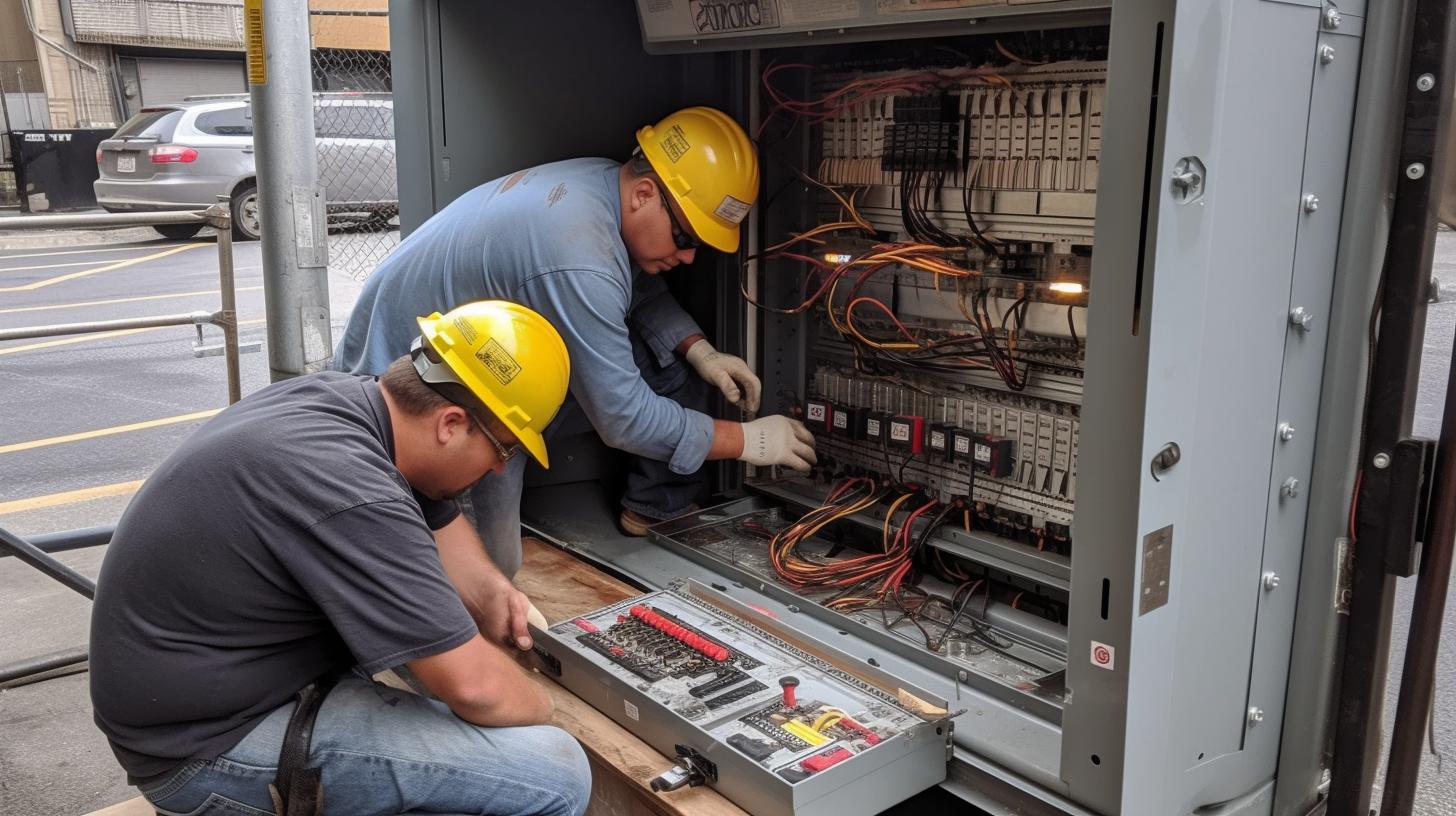
A home’s electrical system rarely asks for attention politely. Instead, it interrupts dinner with a tripped circuit, leaves the hallway unexpectedly dark, or turns a simple kitchen renovation into a conversation about power capacity. Behind these everyday frustrations sits a bigger question—is the electrical system still suited to the way the property is being used?
For Nelson households, that question matters whether home is a character villa, a compact rental, or a newer property accommodating more appliances than its original owners imagined. It matters to small business owners, too, particularly those running an office, studio, or workshop from home.
Nelson Electrician is a local company to consider for electrical safety checks, repairs, installations, and residential upgrades. Its website, nelsonelectrician.co.nz, provides a starting point for enquiries. Knowing what to discuss before booking can help turn a vague electrical concern into a clear, practical plan—and an experienced switchboard electrician in Nelson for home upgrades can help assess whether your system is ready.
When to Call a switchboard electrician in Nelson
The switchboard is the distribution centre for a property’s electrical supply. It directs electricity to individual circuits and houses protective equipment intended to reduce the consequences of faults. While it may sit quietly in a cupboard or garage, it plays a central role in everyday safety.
An older switchboard is not automatically unsafe simply because of its age. However, outdated protective devices, signs of damage, insufficient capacity, or a history of unexplained tripping all deserve professional attention.
Signs worth investigating
Arrange an assessment if you notice any of the following:
- Circuit breakers or other protective devices repeatedly tripping.
- Scorch marks, unusual warmth, or discolouration around electrical fittings.
- Buzzing or crackling near the switchboard.
- Lights regularly dimming when larger appliances start.
- Increasing reliance on extension leads and multi-boxes.
- Planned renovations that will introduce additional electrical loads.
These symptoms do not all point to the same fault. A tripping circuit, for example, may reflect a faulty appliance rather than a switchboard problem. A qualified electrician can investigate the cause instead of simply treating the symptom.
What a switchboard upgrade can involve
Residential switchboard installation is more than exchanging one box for another. Depending on the property, the work may involve assessing existing circuits, selecting appropriate protective devices, checking earthing arrangements, identifying circuits clearly, and testing the completed installation.
Ask the electrician to explain which improvements are necessary, which are recommended, and which relate to future plans. That distinction makes budgeting easier without overlooking essential work.
Start With the Way You Actually Live
Good electrical planning begins with ordinary habits. Where does the vacuum cleaner plug in? Who uses the kitchen at breakfast? Does the spare bedroom now serve as an office? Is the garage home to a freezer, tools, and charging equipment?
These details help residential electricians design improvements around real use rather than a generic floor plan.
Nelson Electrician’s services span residential electrical upgrades, lighting, appliance installation, power points, and electrical repairs. For homeowners considering several changes, it is useful to discuss them together. A coordinated electrical installation may reduce repeated disruption and reveal shared requirements early.
Create a room by room wish list
Before requesting a quote, walk through the property and note:
- Existing concerns, including unreliable outlets, flickering lights, or damaged fittings.
- Practical frustrations, such as inconvenient switches or too few power points.
- Upcoming purchases, including ovens, ceiling fans, or other fixed appliances.
- Longer-term plans, such as a kitchen renovation or converting a room into a workspace.
For a home-based business, include the location of computers, printers, task lighting, and other equipment. Tell the electrician what each area needs to support; do not assume that fitting extra sockets alone will address circuit capacity.
House Rewiring Without the Guesswork
Few phrases worry a homeowner faster than “house rewiring”. Yet the right response to older wiring is assessment, not assumption.
A property may need targeted repairs, upgrades to selected circuits, or more extensive replacement. The appropriate scope depends on the wiring’s condition, previous alterations, test results, and the work being proposed.
Older homes need individual attention
Character properties can contain electrical work from several different decades. A tidy-looking outlet does not reveal the condition of the cable behind it, and a recently renovated room does not necessarily mean the entire house has been upgraded.
Electrical safety checks help establish a clearer picture. If rewiring is recommended, ask electrical contractors to explain the findings and describe how the work will affect walls, ceilings, access, and daily routines.
Useful questions include:
- Which areas require replacement, and why?
- Can the work be staged safely?
- How long will power be unavailable?
- Who is responsible for any decorating or building repairs?
- What testing and documentation will be provided?
A clear scope helps homeowners compare proposals on substance rather than price alone.
Kitchens That Work Beyond the Showroom
A kitchen can look beautifully organised while hiding a daily struggle for sockets. Kettles, coffee machines, dishwashers, ovens, and benchtop appliances make this one of the most demanding rooms in the house.
A kitchen electrician can help align the electrical layout with cabinetry, appliance specifications, and the way people move through the space.
Plan oven installation before delivery day
Oven installation should be considered before an appliance arrives at the door. The new model may have different supply requirements from the old one, and its location must work with the surrounding cabinetry and manufacturer’s instructions.
Give the electrician the appliance details early. That allows time to assess the existing connection and determine whether additional work is required.
The same principle applies to other electrical appliance installation. A successful fit is not just about physical dimensions; the electrical supply must also be suitable.
Put power where it is useful
Adding electrical power points can make a substantial difference to kitchens, bedrooms, living areas, and home offices. Thoughtful placement helps reduce awkward cable runs and reliance on temporary extensions.
Rather than requesting “two more sockets”, explain what you intend to plug in and where. Professional local electricians can then assess both positioning and circuit requirements.
Lighting That Makes Home More Comfortable
Lighting influences how a room feels long before anyone notices the fittings. A single bright ceiling light may illuminate a space, but it will not necessarily make reading, cooking, or relaxing comfortable.
An interior lighting electrician can help balance general illumination with task and accent lighting. The aim is not to add fittings everywhere; it is to put useful light in the right places.
Give each area a purpose
Consider brighter task lighting for food preparation, comfortable reading light beside seating, and well-positioned illumination along stairs and hallways. Where dimming is desired, check that the lamps, drivers, and controls are compatible.
Ceiling fan installation also benefits from planning. Room dimensions, ceiling height, mounting suitability, and control placement all influence the result. If an existing fan becomes noisy, unreliable, or unusually wobbly, arrange an assessment for ceiling fan repair rather than continuing to use it without investigation.
Make outdoor lighting considerate
An exterior lighting electrician can help improve visibility around paths, entrances, driveways, and outdoor living areas.
For security lighting, brighter is not always better. Poorly aimed fittings can create glare, disturb neighbours, and make the surrounding darkness harder to see into. A security lights electrician can advise on placement, detection areas, and controls so lighting serves the property without unnecessarily spilling beyond it.
Smoke Alarms Deserve Their Own Plan
A home smoke alarm should not be treated as an afterthought during renovation or maintenance. Alarm selection, placement, power arrangements, and ongoing care all matter.
A smoke alarm electrician can assess installation needs and explain suitable options, including interconnected arrangements where appropriate. Requirements can differ according to the property and the work being undertaken, so ask for advice relevant to your circumstances.
Keep the ongoing routine simple:
- Test alarms according to the manufacturer’s instructions.
- Replace batteries where the alarm design requires it.
- Keep alarms clean as directed.
- Check replacement dates and replace expired units.
- Seek advice if alarms repeatedly sound without an obvious cause.
For rental properties, landlords should also check their current legal obligations rather than assuming an existing installation remains sufficient.
Electrical Problems Do Not Respect Office Hours
Some faults can wait for a scheduled appointment. Others require urgent action. Smoke, sparks, burning smells, electric shocks, or water affecting electrical equipment should never be treated as ordinary inconveniences.
If there is fire or immediate danger, move to safety and call emergency services. Avoid touching damaged equipment or approaching a switchboard that appears unsafe.
Finding the right urgent help
People often search for a “24 7 electrician”, a “24 hr emergency electrician”, or an “after hours electrician” when something fails at an inconvenient moment. In a hurry, a search may even begin with the fragment “emer”.
Whatever the wording, confirm that the company can attend at that time. Do not assume that an emergency electrician service guarantees immediate arrival, and ask about call-out charges, likely response time, and what information the electrician needs.
When contacting Nelson Electrician about urgent work, describe the symptoms clearly and confirm current after-hours availability. Mention any smoke, burning smell, water exposure, or loss of power affecting essential equipment.
Do not remove covers, handle exposed wiring, or repeatedly reset a protective device that keeps tripping.
Questions Nelson Homeowners Often Ask
Do I need a safety check before renovating?
It is sensible to discuss the existing electrical installation before finalising renovation plans. Early assessment can identify constraints while layouts and budgets are still flexible.
Can electrical repairs and upgrades happen together?
Often they can, but the scope depends on the findings. Tell the electrician about both immediate faults and planned improvements so priorities can be established.
How should I compare quotes from electricians?
Compare the included work, equipment, testing, documentation, exclusions, and allowances. Ask whether the quote addresses making good any affected surfaces. A cheaper proposal may simply cover less work.
Can one visit cover lighting and power point changes?
Potentially, although access, materials, testing, and the condition of existing circuits can affect scheduling. Provide a complete list when booking rather than adding substantial work after arrival.
What should I ask before hiring an electrician?
Confirm that the person carrying out prescribed electrical work holds the appropriate current New Zealand authorisation. Ask about relevant experience, insurance, and the certification or documentation applicable to the job.
Make the Next Upgrade Count
The most useful electrical improvements are often the ones that quietly remove daily friction—a kitchen with power where it belongs, a well-lit entrance, a dependable ceiling fan, or a switchboard suited to the household’s needs.
Start with a short list of concerns and future plans, then discuss it with Nelson Electrician. Ask for a clear assessment, understandable recommendations, and a scope that separates urgent repairs from optional improvements.
A well-planned electrical system does not need to draw attention to itself. It simply helps home life, and the work that sometimes happens within it, run more safely and comfortably.