The first sign of an electrical problem is not always dramatic. It might be a kitchen socket that feels unusually warm, a light that flickers whenever the washing machine starts, or an oven that trips the power halfway through dinner. Elsewhere, the issue is less urgent but just as familiar: a dark driveway, too few power points, or a bedroom that never feels comfortable on summer nights.
These small frustrations shape how a home works. They can also reveal where an electrical system needs professional attention.
For Christchurch households and small business owners, good electrical work is about more than getting the lights back on. It supports safer routines, better use of space, and improvements that remain useful long after the paint has dried. Christchurch Electrician is a local business to consider when planning repairs, installations, and residential upgrades. Its team of experienced electrical contractors for local homes and businesses can help with work around the home.
Knowing what to ask for—and when to call—makes the process much easier.
Choosing electrical contractors for Everyday Peace of Mind
An electrician often enters the picture when something stops working. Yet some of the most valuable electrical visits happen before a breakdown: during renovation planning, after purchasing an older property, or when a household’s power demands begin to change.
Perhaps a spare bedroom has become a home office. Perhaps a new oven needs a dedicated circuit. Or perhaps the garage now accommodates tools, charging equipment, and a second fridge rather than just the car.
Professional local electricians can assess whether the existing installation suits those demands. The aim is not simply to add equipment, but to understand how it fits into the wider system.
What a useful first conversation looks like
Before booking work, explain both the immediate issue and the bigger picture. A socket repair may be straightforward, but mentioning a future kitchen renovation could change the most sensible approach.
Useful questions include:
- Does the work require a new circuit or changes at the switchboard?
- Are there signs that other parts of the installation need inspection?
- What testing and documentation will be appropriate?
- Will walls, ceilings, or cabinetry need to be accessed?
- What is included in the quoted price?
- How long is the power likely to be interrupted?
Clear answers help households compare proposed work rather than choosing on price alone.
Reading the Warning Signs Around Your Home
Electrical systems usually operate quietly in the background. When their behaviour changes, it deserves attention.
Repeated tripping, buzzing accessories, discoloured outlets, burning smells, and damaged switches should not become part of the household routine. Neither should relying on an extension lead because a permanent outlet no longer works.
When an electrical safety check makes sense
Electrical safety checks can be particularly useful when moving into an unfamiliar property, investigating recurring faults, or preparing for substantial alterations.
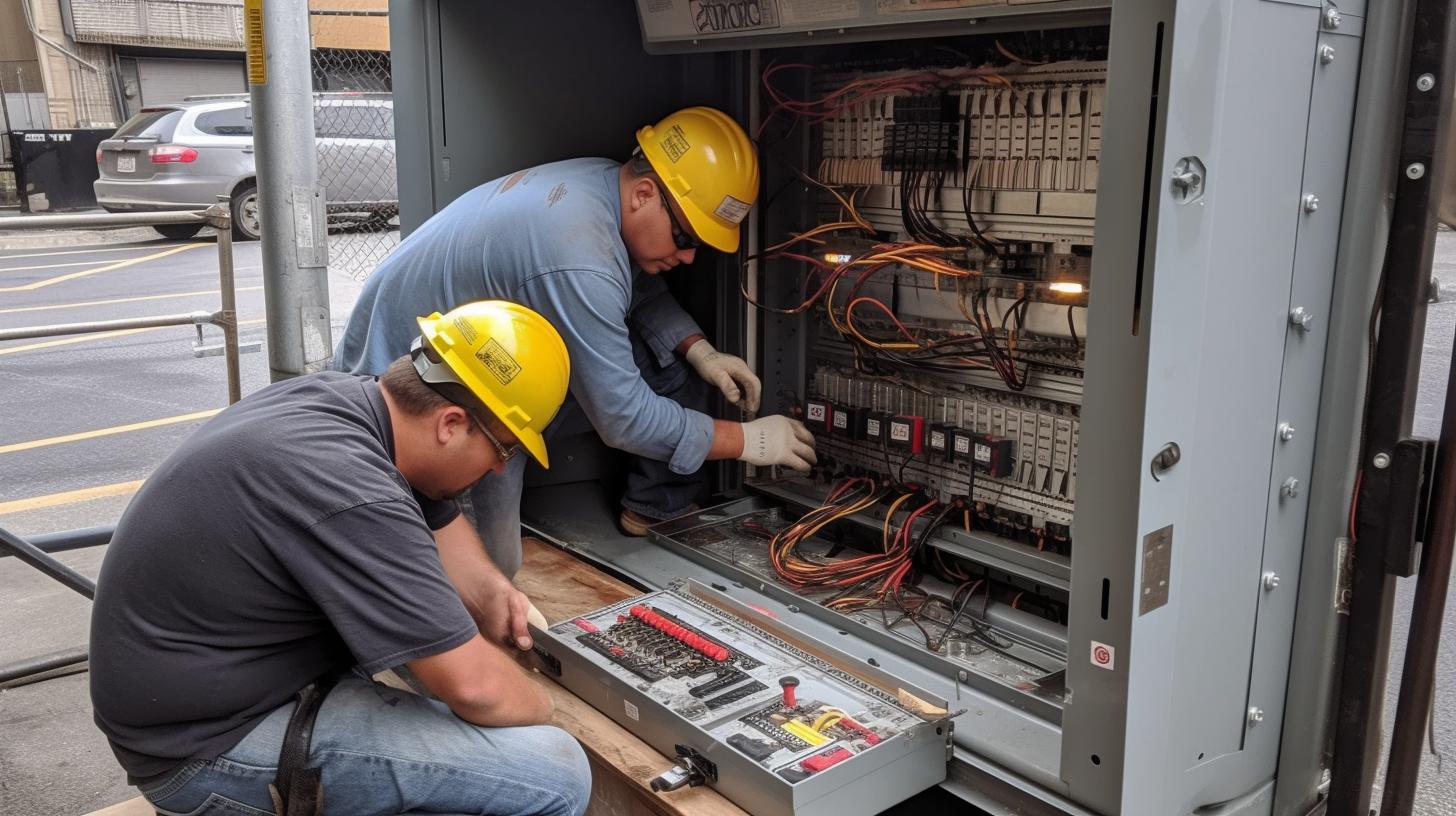
Depending on the property and agreed scope, an electrician may examine accessible wiring, switchboard equipment, earthing arrangements, outlets, and protective devices. Inspection findings can help distinguish urgent repairs from improvements that can be planned over time.
Christchurch has homes from many building periods, and age alone does not tell the whole story. An older house may have received thoughtful upgrades, while a newer property may have been altered poorly. Assessment is more reliable than assumption.
Do not remove electrical fittings or open a switchboard enclosure to investigate a suspected fault yourself.
Making Residential Electrical Upgrades Work Harder
The best residential electrical upgrades respond to how people actually live.
A family kitchen needs different lighting and outlet arrangements from a quiet reading room. A home-based business may need conveniently positioned power for computers, printers, and task lighting. Outdoor areas require equipment suited to exposure and the conditions in which it will operate.
Adding power points where life happens
Adding electrical power points can reduce dependence on awkward extension leads and overloaded multi-box arrangements. Position matters as much as quantity.
Think about bedside charging, vacuum cleaner access, workstations, television equipment, and the appliances that stay permanently on kitchen benches. A residential electrician can advise on suitable locations and whether existing circuits can accommodate the proposed additions.
For a small business operating from home, discussing equipment loads is especially important. A spare room fitted with several outlets does not automatically have the capacity for every appliance connected to them.
Planning a residential switchboard installation
A switchboard is not something most people admire, but it plays a central role in distributing electricity and supporting circuit protection.
Residential switchboard installation or replacement may be considered when existing equipment is outdated, damaged, unsuitable for planned alterations, or unable to accommodate additional circuits. An electrician can explain the protective devices appropriate to the work, including residual current protection where required.
A tidy-looking switchboard does not prove that the entire property is safe. Equally, a switchboard upgrade does not automatically replace the need to assess older wiring elsewhere.
Looking Beyond the Surface With House Rewiring
Fresh wallpaper and polished floorboards can conceal an electrical installation that has evolved through decades of additions.
House rewiring is a significant undertaking, but it is not a decision that should rest on the property’s age alone. The condition and type of wiring, inspection results, previous alterations, and intended use all matter.
Coordinating rewiring with renovation
Where rewiring is recommended, combining it with other building work can reduce disruption. Open walls and accessible ceilings may make cable routes easier to establish.
Before work begins, discuss:
- Which areas require replacement wiring.
- Whether the property can remain occupied during the work.
- How power interruptions will be managed.
- Where new switches, outlets, and lighting points should go.
- Who will handle any necessary surface repairs.
Experienced residential electricians can help turn an inconvenient project into an opportunity to improve the layout. That might mean placing switches where people naturally enter a room or providing enough outlets for a flexible furniture arrangement.
Giving Kitchens the Electrical Attention They Deserve
Kitchens concentrate heat, moisture, lighting, and several high-demand appliances into one busy space. They reward careful electrical installation rather than last-minute improvisation.
A kitchen electrician can help coordinate appliance positions, power supplies, task lighting, and access for future servicing.
Oven installation without guesswork
Oven installation involves more than checking whether the appliance fits the cabinet opening. The electrical supply must suit the appliance, and installation requirements need to be considered alongside ventilation and manufacturer instructions.
Before purchasing, keep the model specifications available and ask whether changes to the circuit or connection arrangement may be necessary.
The same principle applies to other electrical appliance installation work. A replacement appliance is not always electrically identical to the one being removed.
Lighting for preparation and atmosphere
A well-lit kitchen usually benefits from more than a single ceiling fitting. General illumination helps people move comfortably, while task lighting makes work surfaces easier to use.
An interior lighting electrician can help address shadows, awkward switching, and unsuitable fitting positions. Where dimming is planned, compatibility between lamps, fittings, and controls matters.
Bringing Comfort and Visibility to Overlooked Spaces
Some electrical improvements are modest in scale but noticeable every day.
A ceiling fan can make a stuffy room more comfortable. A well-positioned exterior light can make the trip from car to front door less awkward. Neither needs to turn a home into a complicated technology project.
Ceiling fan installation and repair
Ceiling fan installation requires suitable support, safe electrical connections, and positioning that respects the room’s dimensions and the manufacturer’s requirements.
For an existing fan, wobbling, unusual noise, or inconsistent operation warrants assessment. Ceiling fan repair may be appropriate in some cases, while replacement may be more practical in others. Stop using a fan that appears loose or unsafe until it has been checked.
Exterior and security lighting
An exterior lighting electrician can help balance visibility with comfort. More brightness is not always better: glare can make steps harder to judge and spill unnecessarily into neighbouring properties.
For security lights, an electrician can advise on sensor coverage, switching options, fitting suitability, and placement. Useful areas to consider include entrances, pathways, garages, and side access routes.
For a small business, exterior lighting can also make staff arrivals and customer access more comfortable during darker hours.
Giving Smoke Alarms a Proper Place
A home smoke alarm is easy to overlook until it chirps at an inconvenient hour. Its role, however, is far more important than that occasional interruption suggests.
Alarm selection, positioning, maintenance, and replacement should follow applicable requirements and manufacturer guidance.
When to involve a smoke alarm electrician
A smoke alarm electrician can assist with suitable hardwired installations and assess existing electrical connections where relevant. During renovation work, it is sensible to discuss whether alarm coverage needs reviewing.
Householders should also understand the testing and maintenance instructions for their particular alarms. Do not assume every alarm uses the same battery arrangement or has the same replacement interval.
Painting over an alarm, covering it, or disabling it because of nuisance activations can undermine protection. Repeated unwanted activation calls for investigation rather than abandonment.
Handling Electrical Problems After Hours
An electrical fault rarely checks the calendar before appearing. Knowing how to respond can reduce confusion when a problem occurs at night or over a weekend.
People searching for a “24 7 electrician” or a “24 hr emergency electrician” generally need immediate clarity about availability, response times, and charges. Confirm these details directly rather than assuming every business offers continuous attendance.
Christchurch Electrician can be contacted to enquire about emergency electrician and after hours electrician assistance, including current availability and the likely next steps.
What to do before help arrives
If there is smoke, fire, an electric shock, or immediate danger, move to safety and call 111 as appropriate. Do not touch someone who may still be in contact with an electrical source.
For other faults:
- Keep people away from damaged equipment.
- Stop using affected appliances or outlets.
- Do not repeatedly reset a circuit that continues to trip.
- Switch off power only if it is safe to do so.
- Follow the attending electrician’s instructions.
When requesting help, provide your address, a contact number, and a clear description. A hurried message saying only “emer” gives little information; explaining that there is a burning smell near an outlet helps communicate the nature of the concern.
Frequently Asked Questions
How often should a home have an electrical inspection?
There is no single interval that suits every property and circumstance. Ask an electrician for advice based on the installation’s age, condition, use, and previous inspection history. Recurring faults or visible damage should be assessed promptly.
Can I keep using an appliance that trips the power?
Stop using it until the cause has been investigated. The problem may involve the appliance, the circuit, or another part of the installation. Repeated resetting is not a repair.
Should lighting upgrades happen before decorating?
Ideally, yes. New cable routes, switches, or fittings may require access through finished surfaces. Planning electrical work before painting can avoid unnecessary rework.
Is every electrical fault an emergency?
No, but some require immediate action. Burning smells, smoke, exposed live parts, shocks, and signs of overheating demand particular caution. If you are unsure, describe the symptoms to an electrician and seek guidance.
Make Your Next Electrical Improvement Count
A dependable electrical system supports the ordinary moments that make a property work: preparing breakfast, finishing an invoice, welcoming visitors, and getting safely through the front door after dark.
Whether the next step is a troublesome outlet repair, better kitchen lighting, a switchboard assessment, or a larger rewiring project, start with a clear description of what needs to change. Get in touch with a local electrician to discuss the property, confirm service availability, and understand the proposed scope before work begins.
Thoughtful advice today can make tomorrow’s home safer, more comfortable, and easier to live in.